
The World You Inherited Is Dissolving
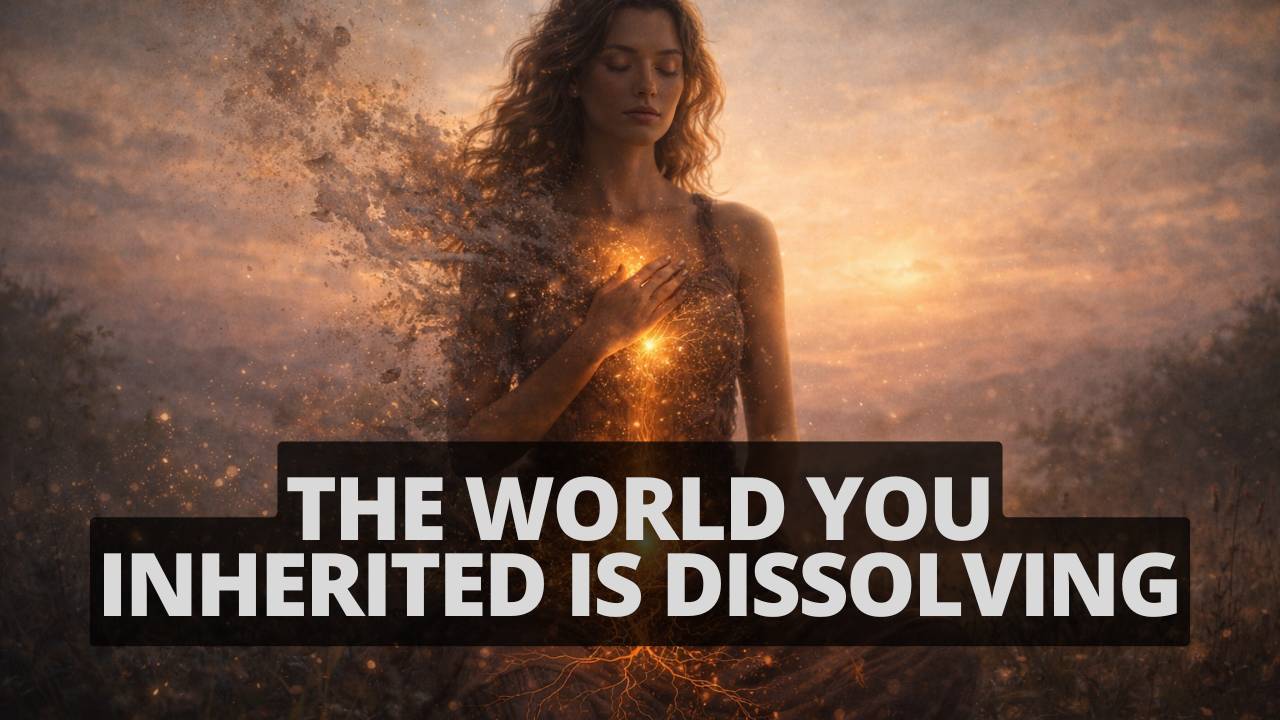
Navigating the 2020s Through Ancestral Healing and the Capacity to Live Differently
1. The Recognition
Since 2020, something in the world, and in you, has not felt the same. What once gave your life structure, stability, or meaning no longer holds in the same way. The world you inherited is dissolving. This is a pivotal moment in human history, but it isn’t the end of the world. It’s the beginning of a new way of living—one that requires a new way of being human.
2. What’s Actually Happening?
Our relationship with existence has been shattered since 2020.
This isn’t just personal. It’s civilizational. These changes didn’t begin in 2020, but that moment marked the sudden collapse of what we called “normal.”
We are now living in a liminal space—individually and collectively— between a world that is dissolving and one that has not yet fully formed. This space feels uncertain, disorienting, and uncomfortable. What many have not yet accepted is there is no going back to normal.
Systems are destabilizing. Beliefs are dissolving. Identities are unraveling. What once held us together—individually and collectively—no longer does.
The invisible architecture that once organized reality—externally and internally—are breaking down at the same time. These were the inherited structures that gave us a sense of stability, identity, and orientation.
This shock has left people living in vastly different realities now. The ground no longer feels solid.
What we called “normal” was a kind of false coherence. And now it’s collapsing—within us and around us at the same time.
As this happens, people are being pushed to their limits. People are more overwhelmed than ever. Because the coping mechanisms that once served us—both individually and collectively—are no longer working.
Your old way of living and being no longer works in the post-2020 world because it was the survival architecture built for a different paradigm.
What we are witnessing is a global existential crisis reverberating through the personal, ancestral, and collective layers of human experience.
We can sense the tension between what we’ve been taught to believe, what we are currently experiencing, and what actually resonates now.
It shows up in recurring themes:
- Isolation
- Life and death
- Relational strain
- Loss of direction
- Freedom and responsibility
- Identity and worldview disruption
- Questioning meaning and purpose
- Transitioning from one reality into another
3. How It Feels
People around the world are reporting similar experiences:
- Nothing has felt the same since 2020.
- The future feels uncertain, so long-term plans no longer make sense.
- The instability feels overwhelming, so it’s easier to distract, avoid, or pretend nothing is happening.
- There’s a quiet but persistent sense of: what’s the point?
- You can still function—but something feels off.
Internally, this often shows up as:
- Anxiety
- Emptiness
- Exhaustion
- Dysregulation
- Disconnection
- Confusion
- Uncertainty
- Restlessness
4. The Hidden Mechanism
You aren’t just experiencing change. You are losing the inner and outer structures that once made you feel safe.
Many of those structures didn’t begin with you. They were inherited adaptations shaped by generations before you.
What’s surfacing now isn’t random. It’s what was never fully resolved—finally surfacing to be seen.
2020 didn’t just disrupt systems, society, and identity. It disrupted the inherited field itself—not just our beliefs or the structures of our world, but the continuity of what was unconsciously carried forward generation after generation.
Before this rupture, people were living inside inherited survival patterns, unprocessed ancestral trauma, and identity structures built on trauma adaptations. These were stable enough to function within the old world.
But in 2020, a tectonic shift happened.
It wasn’t just a crisis. It was a rupture in the field that had been holding reality together.
The veil thinned. What was once subliminal became something we could feel.
What was suppressed began surfacing.
What was unconscious became activated.
What was held together… started breaking.
(I explore this more deeply in “The Morphic Rupture of the 2020s”.)
In most eras, ancestral trauma remains beneath awareness. But when the structures that contain it begin to break down, what was hidden begins to rise.
Trauma doesn’t disappear when it’s suppressed.
It loops.
It repeats.
It reorganizes itself into familiar patterns seeking resolution.
These repetition loops echo through individuals, family systems, communities, collective stories, and even geopolitical structures.
This is why your old coping mechanisms stopped working.
Illusions are dissolving, individually and collectively.
External systems no longer feel trustworthy or safe.
Your identity began to collapse.
And in that instability, your nervous system begins searching for something to hold onto.
But at the same time, something else has been happening.
We are wired for connection, yet we have been conditioned to turn away from each other—and toward our devices.
Connection is being replaced with simulation. People are co-regulating with screens instead of learning how to self-regulate or truly connect with one another.
The result is a paradox:
We are craving connection more than ever.
And simultaneously struggling more to access it.
Because when nervous systems are dysregulated, and connection is mediated through technology, people don’t have the inner capacity to meet each other. Instead, trauma meets trauma.
They defend.
They project.
They disconnect.
Connection is failing under the existential pressure. And it’s breaking down in the exact moment when it’s most needed.
So the system looks for stability and safety through:
- Distraction
- Rescue fantasies
- Attaching to ideologies
- Returning to old patterns
- Collapsing into numbness
- Grasping for external control
Without awareness, this is where people begin recreating the very patterns they’re trying to escape.
5. The Choice Point
As systems continue to destabilize, people will either awaken and empower themselves or seek relief in stronger systems to hold them.
If we lack inner capacity, we will call control “safety” and mistake captivity for relief.
What matters is what we do at this threshold. We will either collapse back into what is familiar—or stay present long enough to become someone new.
This is the point where your life, your lineage, and this pivotal moment in human history all meet.
What ends with you?
And what can begin because of that?
Those who step forward as pioneers of consciousness and generational cycle-breakers are the ones developing the capacity required for the world that is emerging.
6. The Missing Piece
You don’t just need more insight. You need the capacity to live differently.
You are living patterns that were created long before you were born. When the rupture happened, it didn’t just destabilize the present—it activated the backlog of unprocessed inheritance.
It wasn’t only the collapse of identity and meaning. Those structures that are breaking down were carrying unresolved history.
What is often called a “meaning crisis," is also an ancestral reckoning.
When the world stopped in 2020, inherited patterns that had never been fully metabolized began surfacing for resolution.
Without this awareness, people ask:
“Why am I like this?”
“Why does this keep happening to me?”
It didn’t start with you. But it will continue through you—unless something changes.
If these patterns are not integrated, they don’t disappear. They repeat—through you, and beyond you. They become the legacy you pass forward to future generations, whether you have children or not.
7. What Becomes Possible
Your trauma is your immersion training for your purpose.
It was all preparation for the reason your soul incarnated during this time in human history.
Your lineage shaped you for what you’re here to interrupt—and what you are here to create during this civilizational transition.
As we integrate the past, we can process and release the grief carried across generations—and discover the medicine within the wound.
The rupture wasn’t the wound itself. It was the revealing of the wound—and with it, the dormant chance for regeneration.
The pain of the trauma wasn’t meant to define you. It was meant to refine you. What once felt like your limitation becomes part of your capacity.
Much of what we think of as our personality is actually a set of trauma adaptations—patterns we learned and inherited in order to survive. As we begin to recognize them for what they are, and honor the role they played, we create space for something new.
Integration allows a different kind of identity to emerge—one not rooted in survival, but in wholeness.
And from that place, clarity begins to form.
You start to see who you’re becoming.
You start to feel what actually matters.
And from there, purpose is no longer something you search for.
It is something you begin to live.
8. The Call
If you resonate with this, you’re already in it.
The question now is whether you turn toward it… or away.
Most of what we run from is psychic pain rooted in unresolved personal, ancestral, and collective trauma. Until we are willing to face it, it will remain our greatest liability in ongoing chaos campaigns—pulling us toward coercion and captivity instead of coherence and capacity.
Sovereign souls create sovereign communities.
And the soul is only sovereign when the trauma is integrated.
Without capacity, freedom destabilizes you.
Without integration, you recreate the same patterns.
Without internal change, external change won’t be sustainable.
The question is no longer only what’s happening to the world.
The deeper question is: who are you becoming within it?
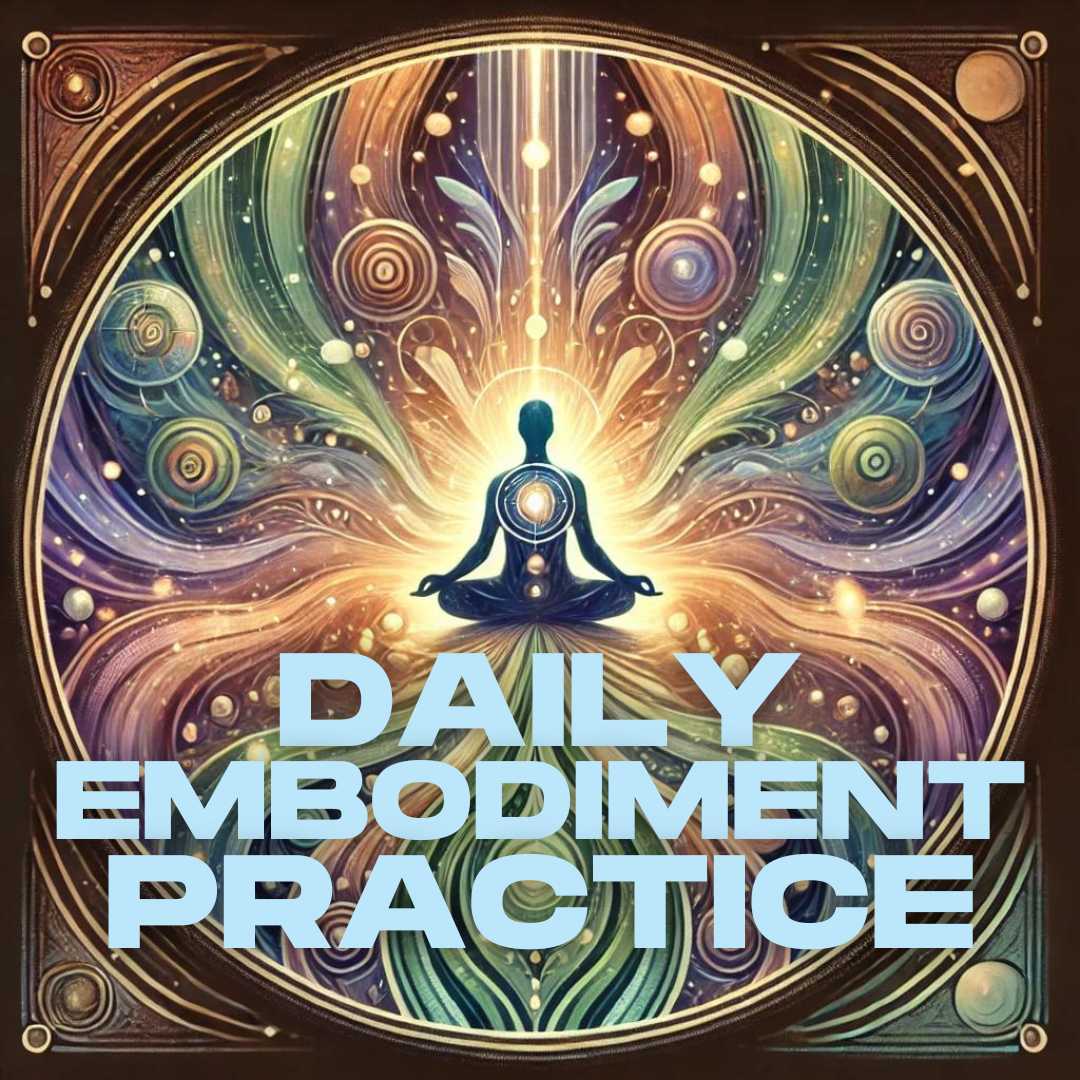
Daily Embodiment Practice
A guided meditation for coming home to your body
Your mind may already understand a lot.
But your body knows things that thinking can't reach.
This practice is how you begin to listen.
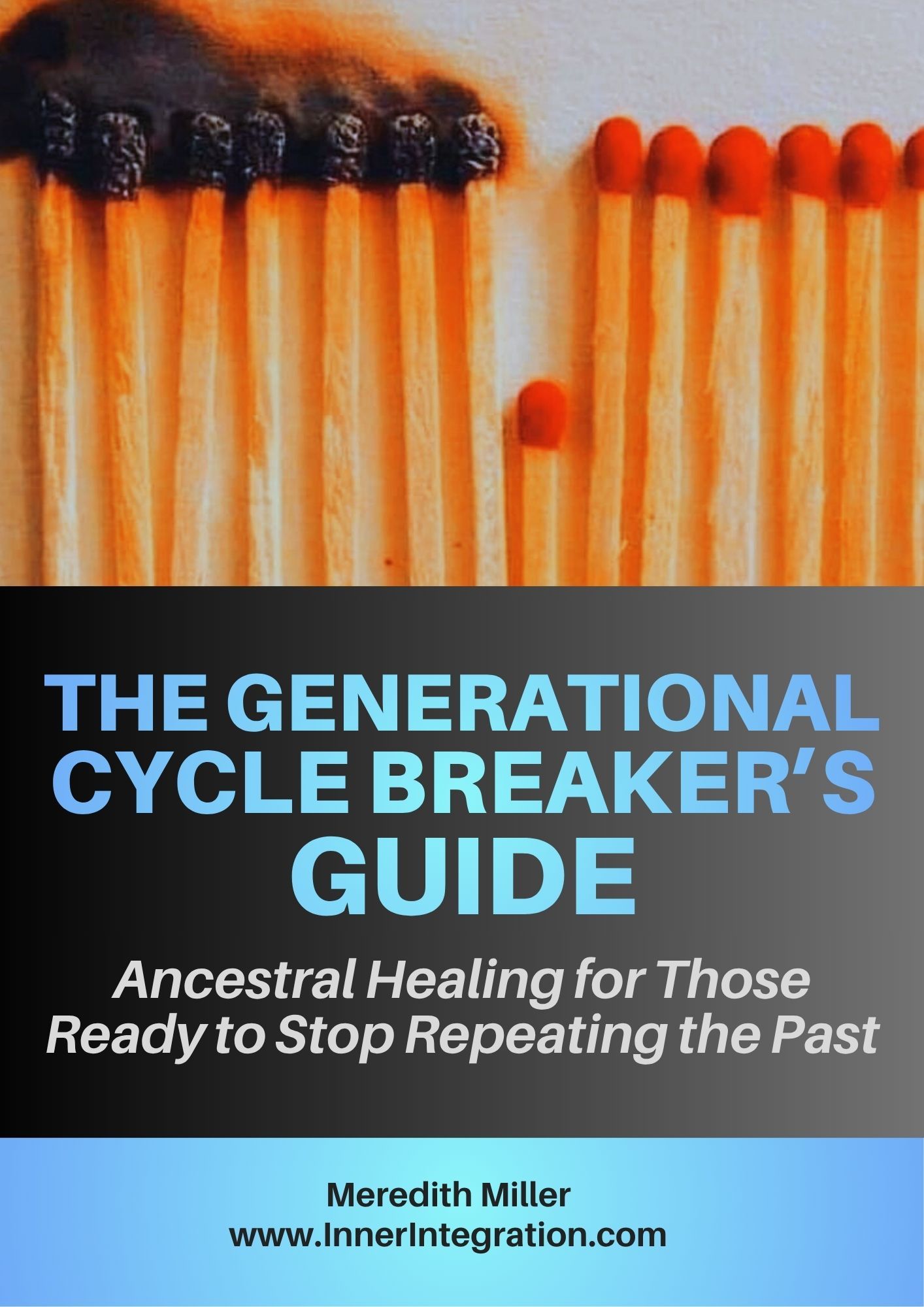
THE GENERATIONAL CYCLE BREAKER'S GUIDE
Most of what you're carrying didn't begin with you.
This guide explores the legacy of inherited trauma — what it is, how it moves through families and lineages, and what it actually takes to end the pattern.
A grounded, honest map for generational cycle breakers ready to stop repeating the past.
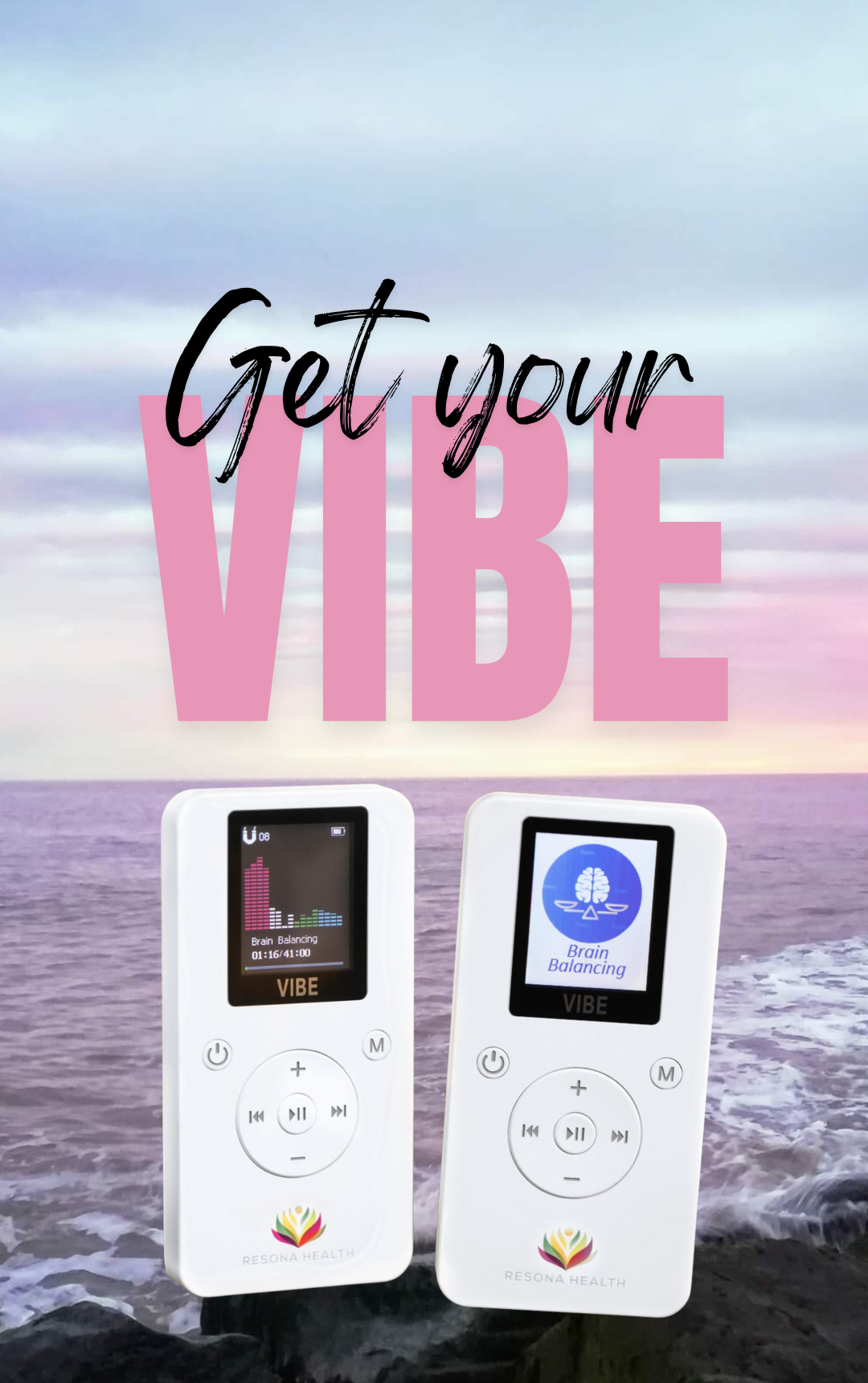
Get Relief
Based on technology with a 98% success rate in alleviating the symptoms of PTSD!
This pocket device uses frequencies to relieve symptoms like anxiety, inflammation, neck pain, back pain, fibromyalgia, headaches, irritability, depression, brain fog, insomnia, heart issues, and more.
You can use it on your dogs, cats, and horses too!
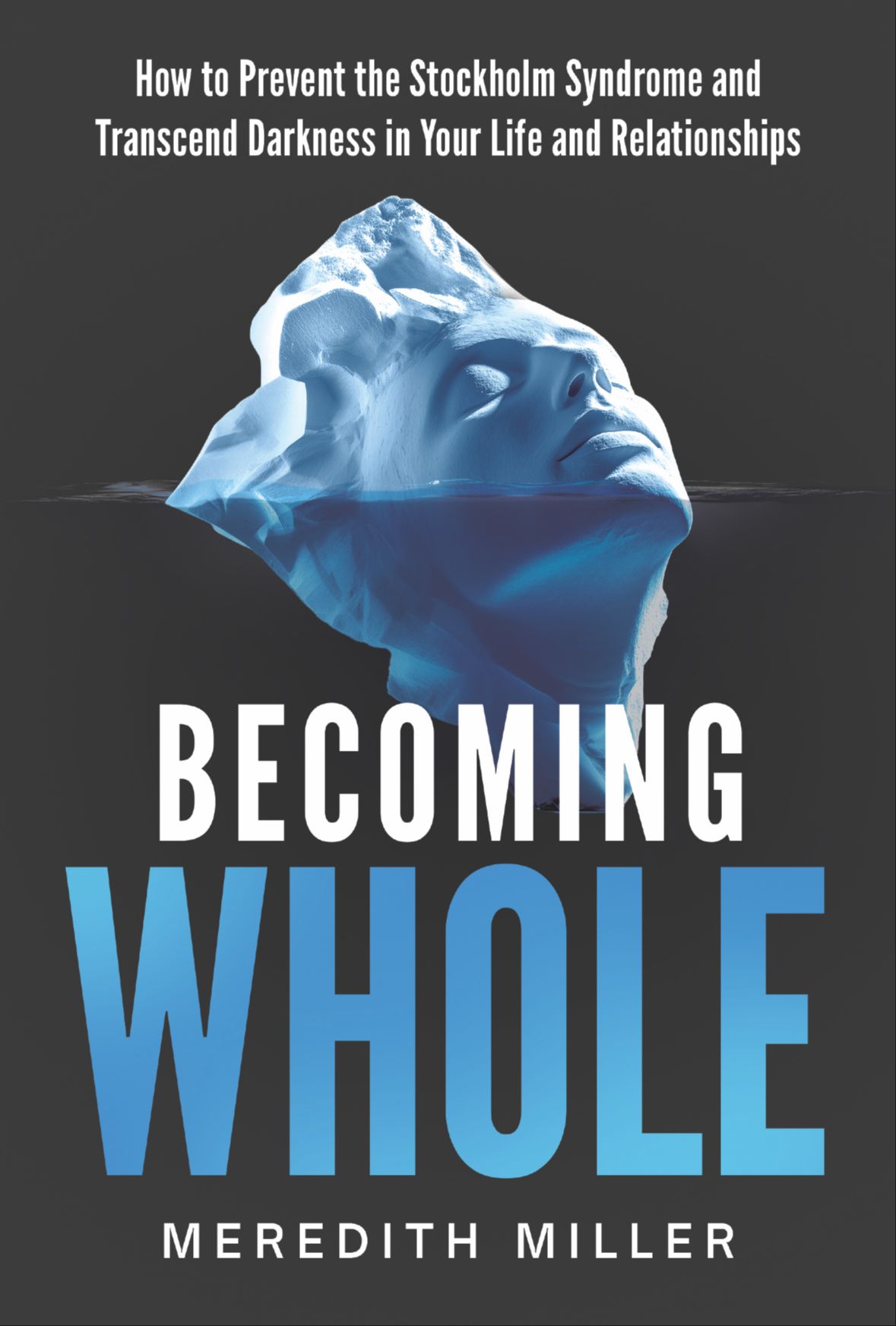
BECOMING WHOLE: How to Prevent Stockholm Syndrome and Transcend Darkness in Your Life and Relationships
BECOMING WHOLE is for those who want to break free from the state of captivity and liberate their soul from the psychological and spiritual warfare happening in our world.
If you're one of the people looking around and wondering why nothing has felt the same since 2020, and what you can do about it now, this book is for you.
This essential holistic guide will take you beyond the powerlessness of victimhood into the realm of integration, evolving, and Becoming Whole.
"The book everyone needs to stay free. It's a work of art and a masterpiece."
(Doc Malik Podcast)

Existential Crisis & Regeneration Masterclass
We've been experiencing individual and collective waves of existential crisis in the post-2020 era.
Crisis is both danger and opportunity. The danger is getting lost or giving up. The opportunity is empowerment, liberation and evolution.
This masterclass will help you grow through these challenges so you can emerge stronger and more purposeful from this pivotal time in human history.
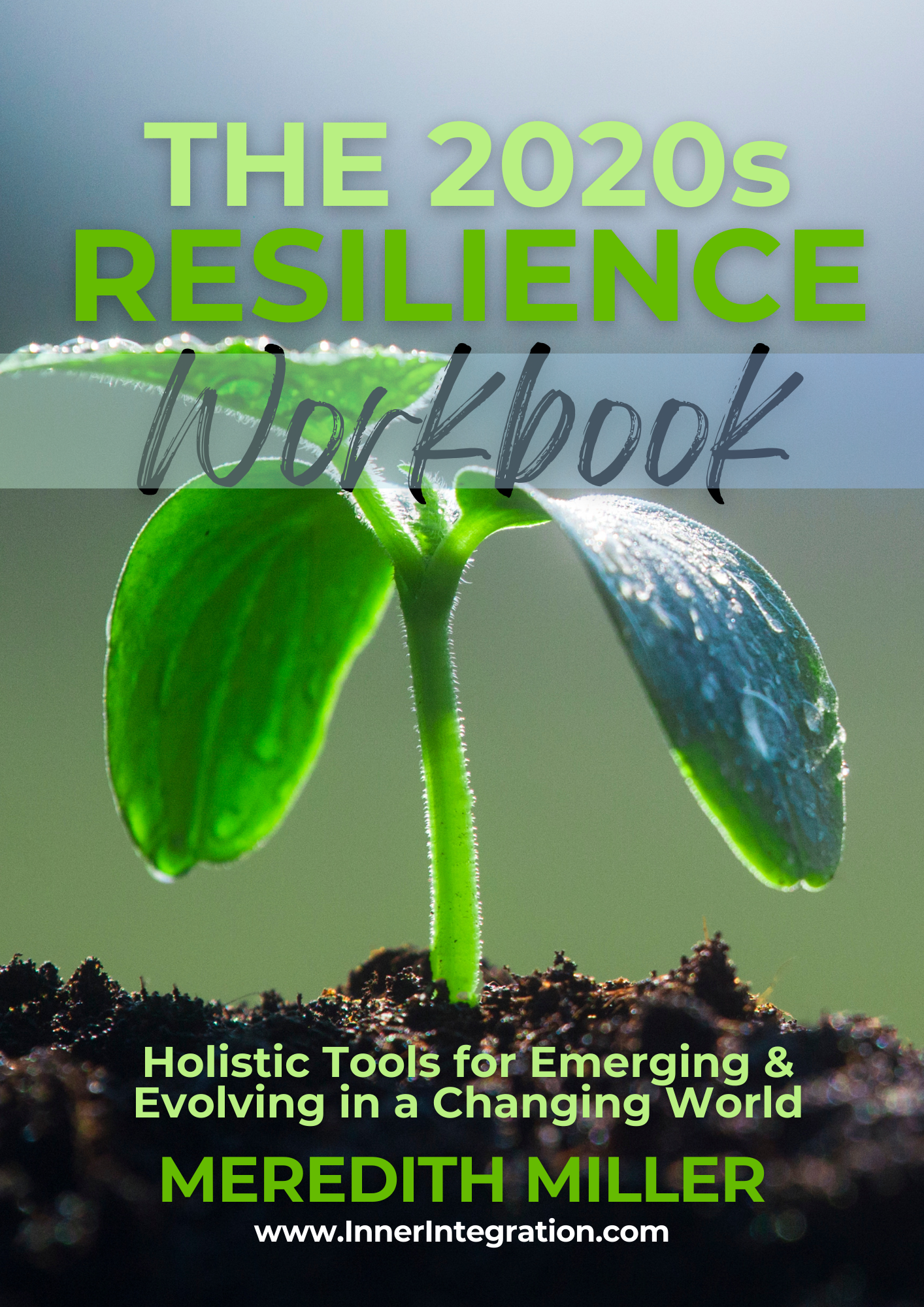
The 2020s Resilience Workbook
Our challenges during the recent years have revealed a powerful truth: the world is changing rapidly and resilience is essential to move through the chaos and uncertainty.
This workbook (53-page PDF download) will give you the self-discovery tools you need for regenerating holistic resilience and evolving in the 2020s.

Legacy of Light Masterclass
This masterclass can catalyze your next quantum shift.
We are being called to step into new ways of living and being as humans on Planet Earth during these rapidly changing times.
This masterclass will help you understand the new energetic landscape of the mid-2020s and beyond. You'll get tactical tools to put into practice in your life so you can navigate these experiences with greater ease and grace.

Start Your Healing Journey TODAY
If you're tired of talking about the abusers and why they do what they do, you might be ready to start your recovery process.
Check out the Inner Integration digital courses that have helped tens of thousands of people with their self-healing after narcissistic abuse.

QUICK START GUIDE: Narcissistic Abuse Recovery
The QUICK START GUIDE shows you the first 3 most essential steps that you can take right now to start moving forward and transforming your life.
It's for beginners who are just discovering that they are in (or were in) a relationship with a narcissist or psychopath.
This mini book can be read in a couple hours and cuts straight through the overwhelm with clarity—giving you only what you most need right now.

THE JOURNEY: A Roadmap for Self-healing After Narcissistic Abuse
THE JOURNEY is an essential guide through the 3 stages of narcissistic abuse recovery.
It's a comprehensive, holistic outline and explanation of the growth process from victim to survivor to thriver, so you can measure where you are and where you want to go in your own journey.
This structure can help you get to the next level and keep moving forward.
